
Leading Options for Deck Drainage System Accessories
Identify essential components that improve water runoff and ensure your deck remains dry and secure.
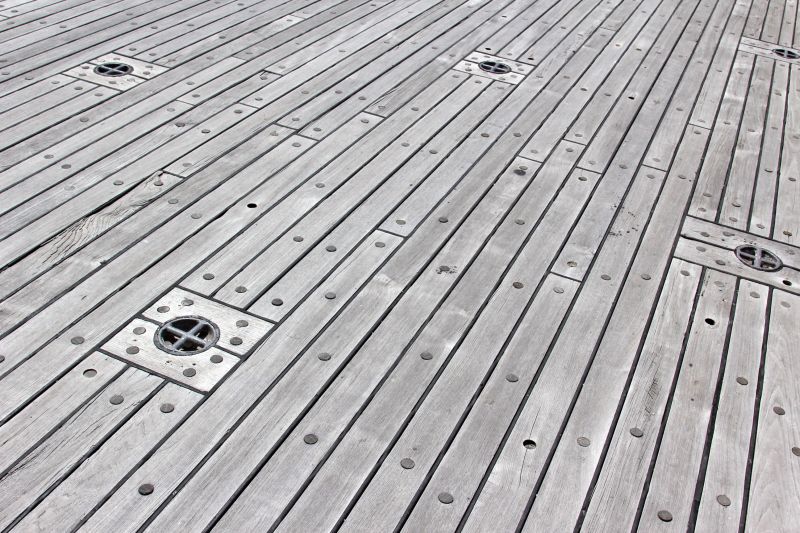 Installing effective drainage systems beneath a deck is essential for maintaining its structural integrity and preventing water damage. Proper drainage helps direct water away from the deck surface and underlying supports, reducing the risk of wood rot, mold, and other moisture-related issues. When selecting products for deck drainage installations, it is important to consider compatibility with existing deck structures, ease of installation, and durability under various weather conditions. A well-designed drainage system can also enhance the overall safety and longevity of the deck, making it a worthwhile investment for homeowners and contractors alike.
Top Overall Option
Deck Drainage Channel System
A versatile drainage channel system offers customizable configurations to direct water away from deck surfaces efficiently. Its modular design allows for easy installation along deck edges or between planks, providing a seamless solution that adapts to various deck layouts. Made from durable materials resistant to weathering, this type of system helps maintain proper water flow and can be integrated with existing drainage plans. Its flexibility and robustness make it a popular choice for both DIY enthusiasts and professional installers.
Types of Products For Deck Drainage Installations
Drainage Mats and Sheets
Flexible mats or sheets designed to create a slope and facilitate water movement beneath the deck surface, often made of permeable materials for efficient drainage.
Gutter Systems
Integrated gutter solutions that collect and direct water away from the deck area, suitable for decks with overhangs or built-in gutters.
Channel Drains
Linear drains that can be embedded along deck edges or between planks to channel water efficiently to designated drainage points.
Vented Skirting
Vented skirting panels allow air circulation and water runoff, helping to prevent moisture buildup underneath the deck.
Slope Adjusters
Products designed to modify the deck's slope, ensuring water naturally flows away from the structure.
Underdeck Drainage Systems
Specialized systems installed beneath the deck surface to collect and divert water, creating usable space below.
Perforated Drain Pipes
Flexible pipes with perforations that facilitate water movement away from the deck foundation, often used in conjunction with gravel beds.
Waterproof Membranes
Barrier membranes installed beneath decking to prevent water infiltration into the supporting structure.
Flexible Drainage Channels
Adjustable and easy-to-install channels that conform to various deck layouts for effective water diversion.
Drainage Grates
Perforated grates that can be integrated into deck surfaces or steps to allow water to drain through while providing a stable walking surface.
Popular Choices
These mats are widely used for creating a drainage layer beneath decks, helping water flow away efficiently and preventing pooling.
Linear drains are favored for their ability to be installed along deck edges or between planks, providing a sleek drainage solution.
Popular for creating dry spaces underneath decks, these systems help divert water and extend the usability of the area below.
Integrated gutter solutions are often chosen for decks with overhangs, helping to channel water away from the structure.
Flexible pipes with perforations are commonly used to manage water runoff from decks, especially in larger or multi-level installations.
Vented skirting panels are popular for allowing airflow and water drainage underneath decks, reducing moisture buildup.
Products that help modify deck slopes are often selected to ensure proper water runoff and prevent pooling.
Waterproof membranes are frequently used to protect the deck's supporting structure from moisture penetration.
Drainage grates are common for integrating into deck surfaces or stairways to facilitate water flow while providing safety.
There are numerous product options available to suit different deck configurations and budgets. From simple slope adjustments and drainage mats to more complex gutter and channel systems, each type offers unique advantages. Some products are designed to integrate seamlessly with deck framing, while others are more suitable for retrofit projects. Proper installation and maintenance are key to ensuring these systems perform effectively over time. Consulting with professionals or thoroughly researching product specifications can help identify the most suitable solutions for specific deck setups.
In addition to functionality, aesthetic considerations may influence product choices. Many drainage solutions are designed to be discreet, blending into the deck's overall look, while others may add a decorative element. Durability and resistance to corrosion or UV damage are also critical factors, especially for outdoor applications exposed to the elements. By carefully evaluating these aspects, users can select products that meet their performance needs while complementing their deck design. An effective deck drainage system not only protects the structure but also enhances outdoor living spaces for years to come.
Key Buying Considerations
- Compatibility with existing deck materials and structure.
- Ease of installation, especially for DIY projects.
- Material durability and resistance to weathering and corrosion.
- Capacity to handle expected water flow based on deck size and local climate.
- Aesthetic integration with deck design and surrounding landscape.
- Flexibility and adaptability to different deck layouts.
- Maintenance requirements for long-term performance.
- Compatibility with existing drainage systems or plans.
- Cost considerations and overall budget fit.
- Compliance with local building codes and safety standards.
- Availability of replacement parts or accessories.
- Impact on deck load capacity and structural integrity.
- Ability to prevent water pooling and reduce moisture buildup.
- Resistance to UV damage and color fading.
- Ease of cleaning and debris removal.