Optimal Timing for Deck Drainage Installation
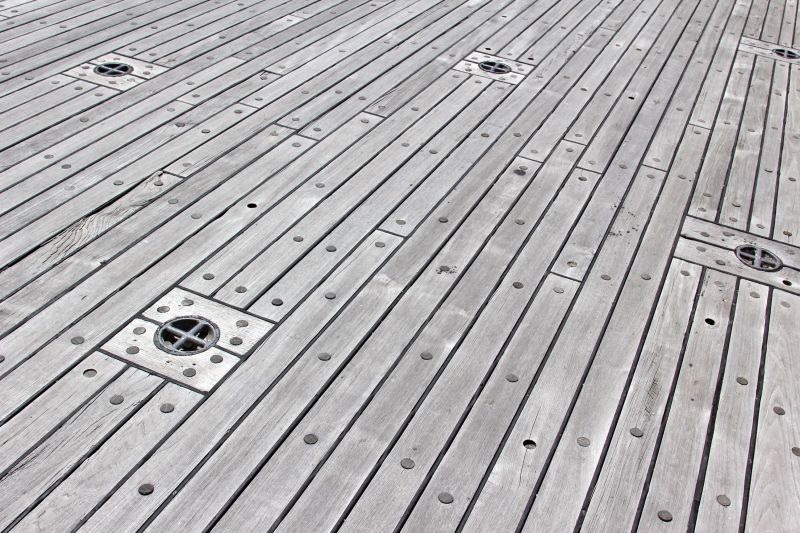
Spring offers optimal conditions with moderate temperatures and dry weather, facilitating effective drainage system setup.
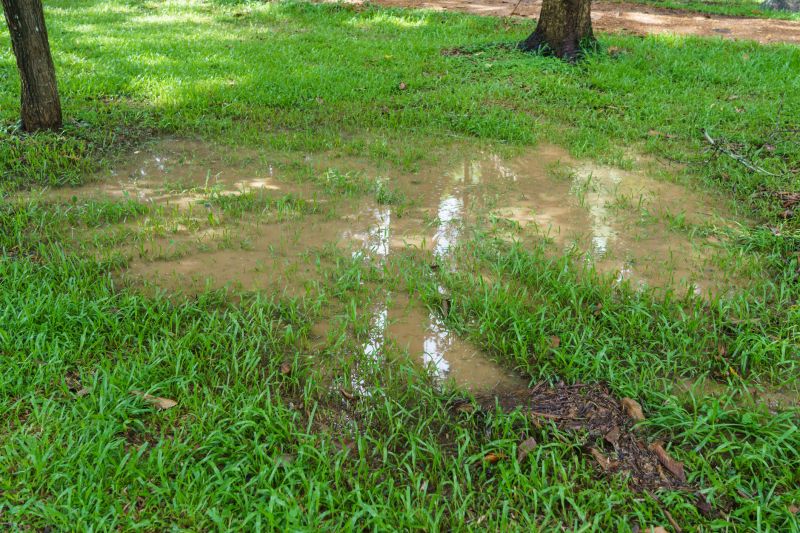
Summer provides longer daylight hours and generally dry conditions, reducing installation delays.
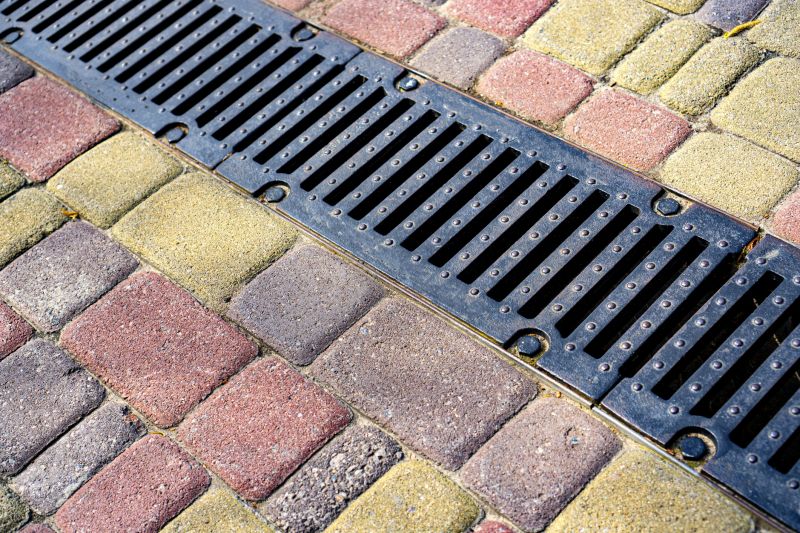
Fall can be suitable when weather is still mild, but increasing rainfall may impact installation schedules.
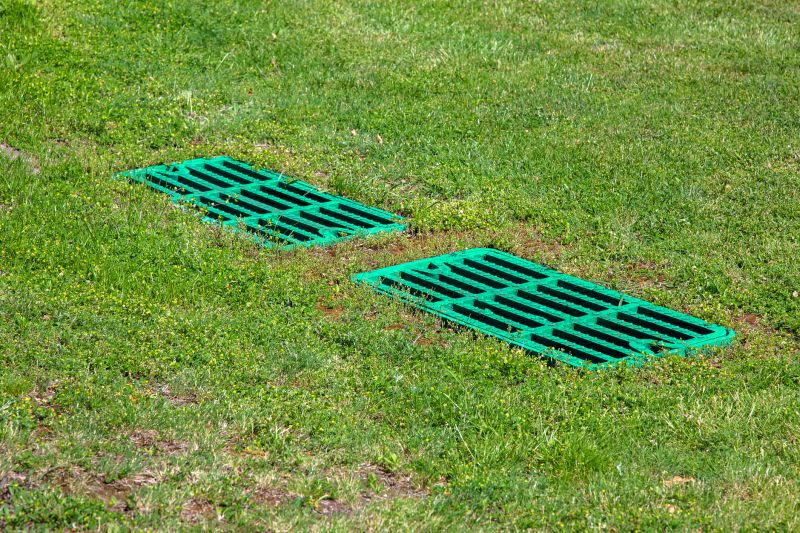
Ways to make Deck Drainage Installations work in tight or awkward layouts.
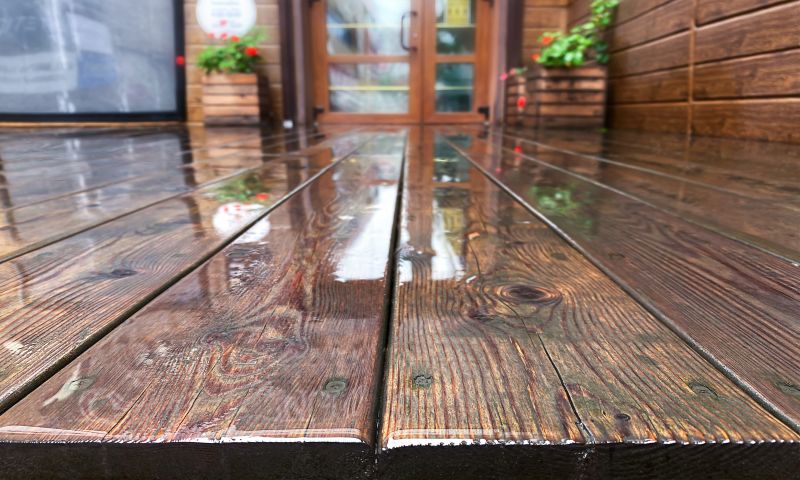
Popular materials for Deck Drainage Installations and why they hold up over time.
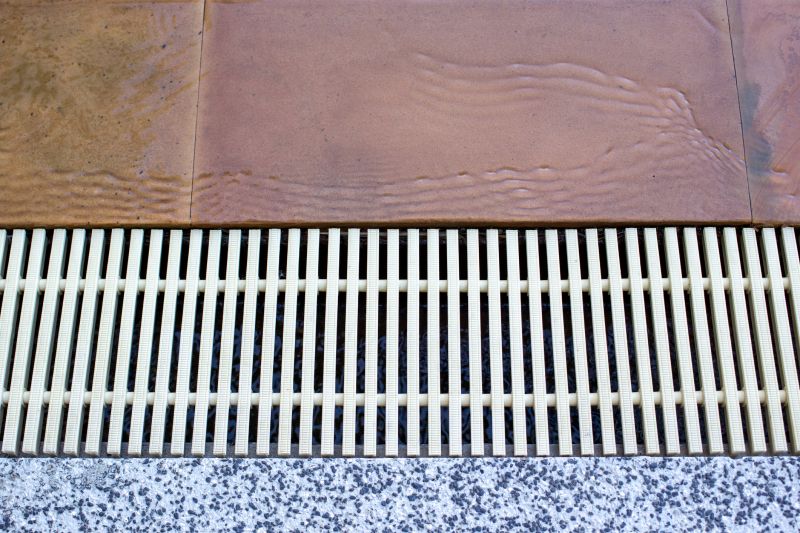
Simple add-ons that improve Deck Drainage Installations without blowing the budget.
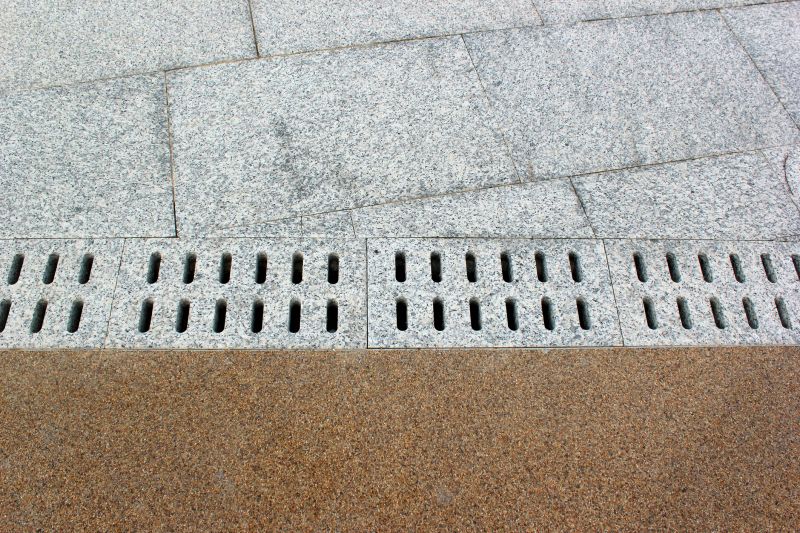
High-end options that actually feel worth it for Deck Drainage Installations.
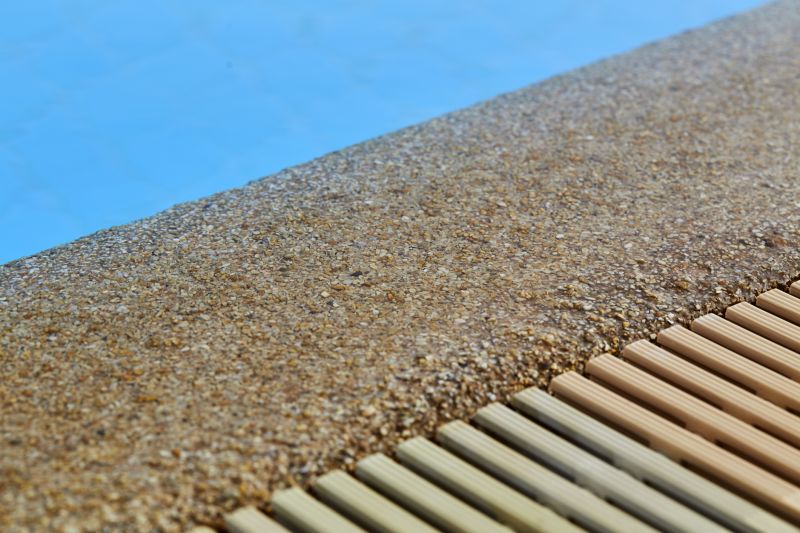
Finishes and colors that play nicely with Deck Drainage Installations.
Deck drainage installations are essential for preventing water accumulation that can cause structural damage and safety hazards. Proper timing ensures optimal conditions for installation, minimizes disruptions, and enhances the longevity of the drainage system. The best time for installation often depends on climate, weather patterns, and local seasonal variations, with dry and mild weather being ideal.
Statistics indicate that scheduling drainage work during periods of low rainfall reduces delays and improves system effectiveness. For regions with distinct seasons, late spring and early summer are typically preferred, as they offer stable weather conditions and sufficient daylight. Proper planning around seasonal weather patterns can lead to smoother installation processes and more durable results.
Choosing the right season for installation can prevent weather-related delays and ensure proper curing of materials.
Avoiding rainy periods minimizes water exposure during installation, reducing potential issues.
Local climate influences the best window for installation, with dry seasons preferred.
Scheduling ahead allows for proper site preparation and resource allocation.
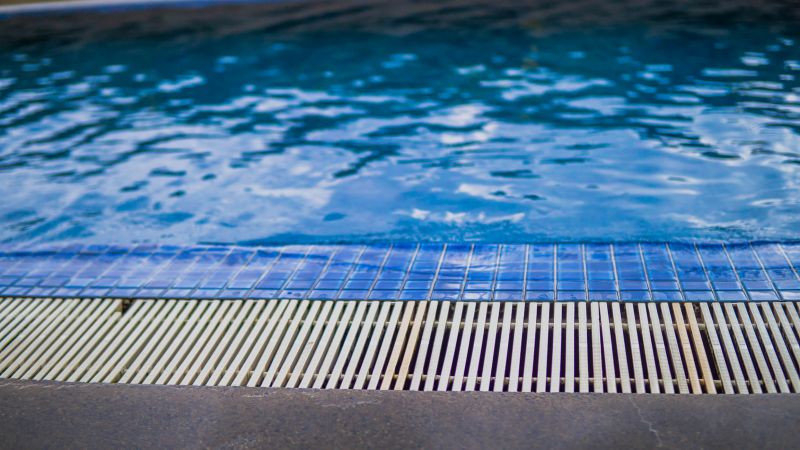
A properly installed drainage system prevents water pooling and structural damage.
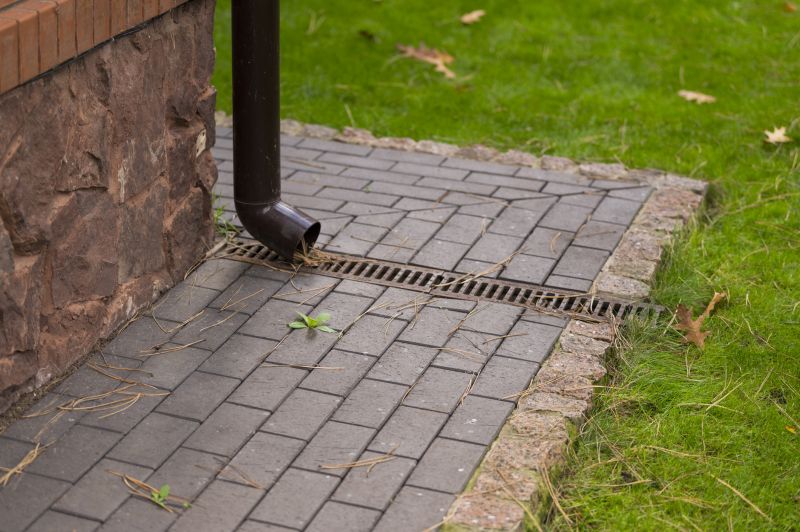
Includes gutters, downspouts, and drainage channels designed for efficient water removal.
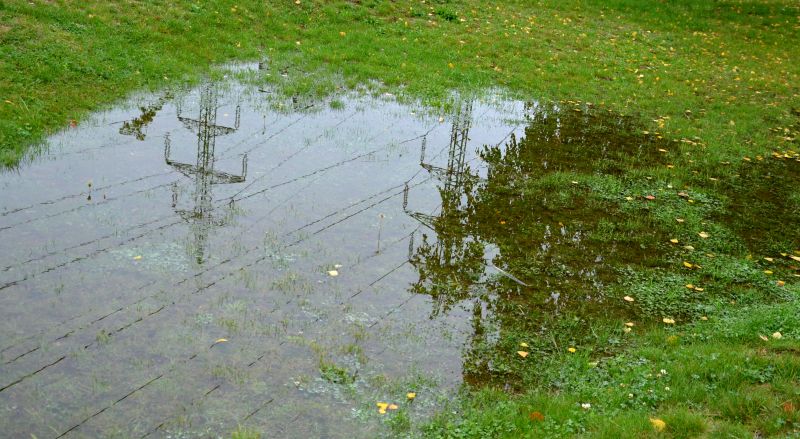
Ensures proper slope and placement for effective water runoff.
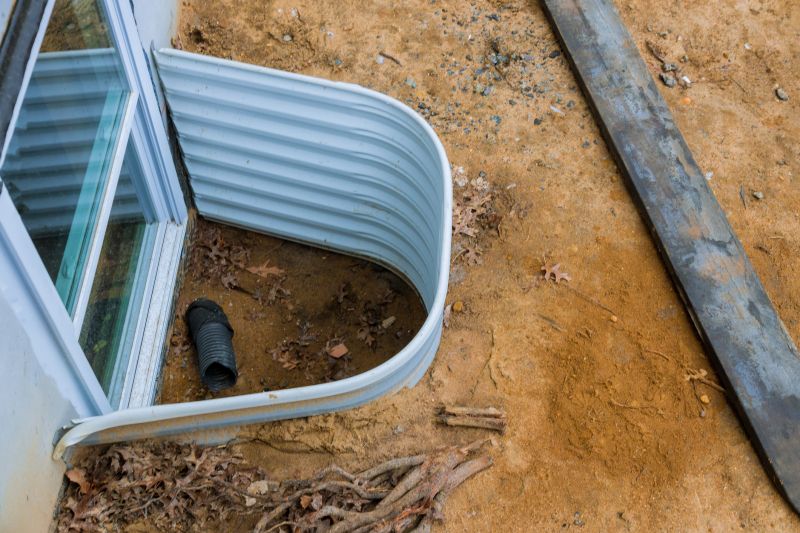
Regular inspections keep drainage systems functioning optimally.
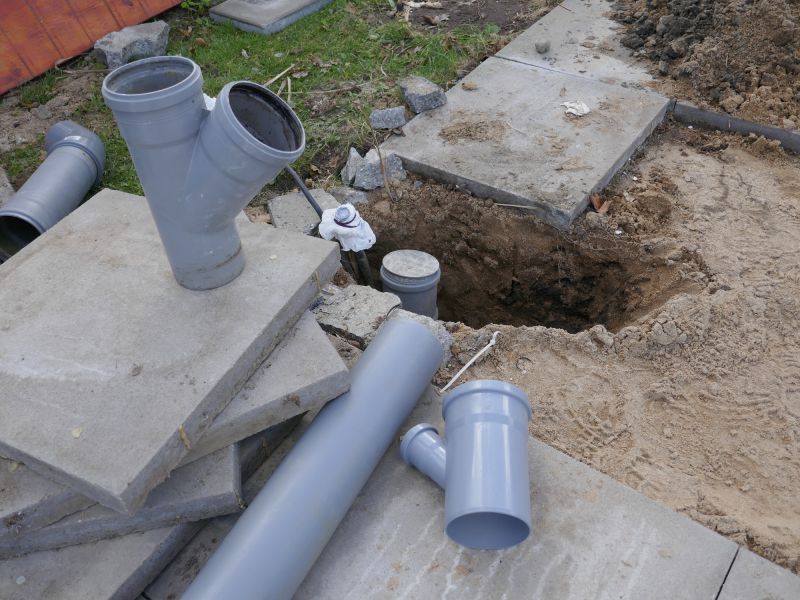
Little measurements that prevent headaches on Deck Drainage Installations day.
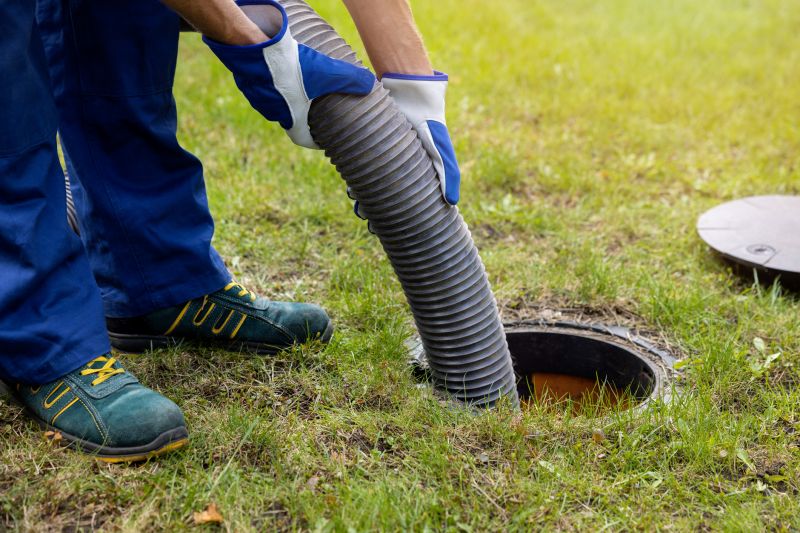
A 60-second routine that keeps Deck Drainage Installations looking new.
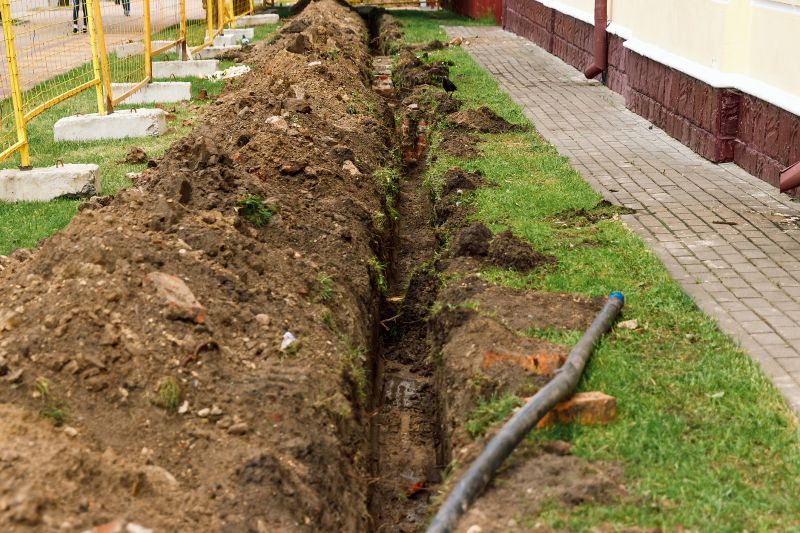
A frequent mistake in Deck Drainage Installations and how to dodge it.
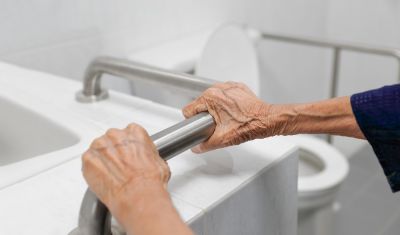
Small tweaks to make Deck Drainage Installations safer and easier to use.
| Season | Advantages |
|---|---|
| Spring | Moderate temperatures, dry weather, ideal for installation |
| Summer | Longer days, generally dry, quick work |
| Fall | Mild weather, less traffic, good for planning |
| Winter | Not recommended due to cold and precipitation |
| Late Spring/Early Summer | Optimal window for most regions |
Effective deck drainage installation requires careful consideration of seasonal weather patterns. Proper timing not only facilitates smoother installation but also ensures the system performs efficiently over time. Planning ahead and selecting the appropriate season can minimize disruptions and extend the lifespan of the drainage system.
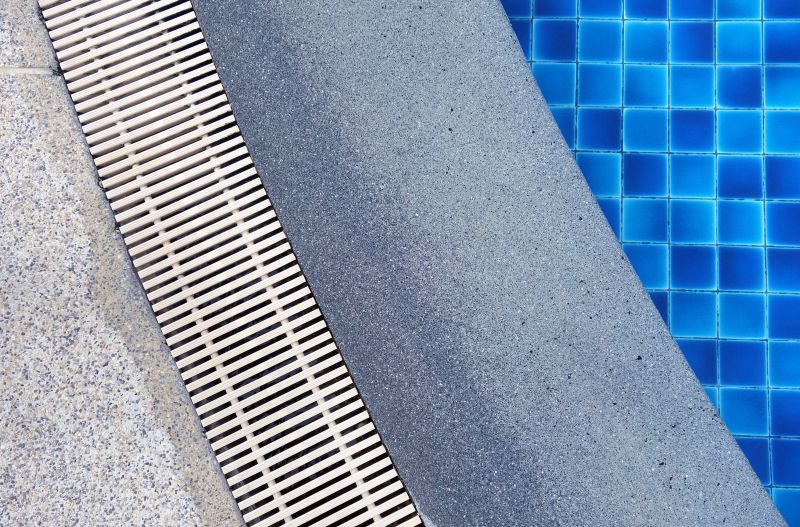
Properly installed systems channel water away from decks, preventing damage.
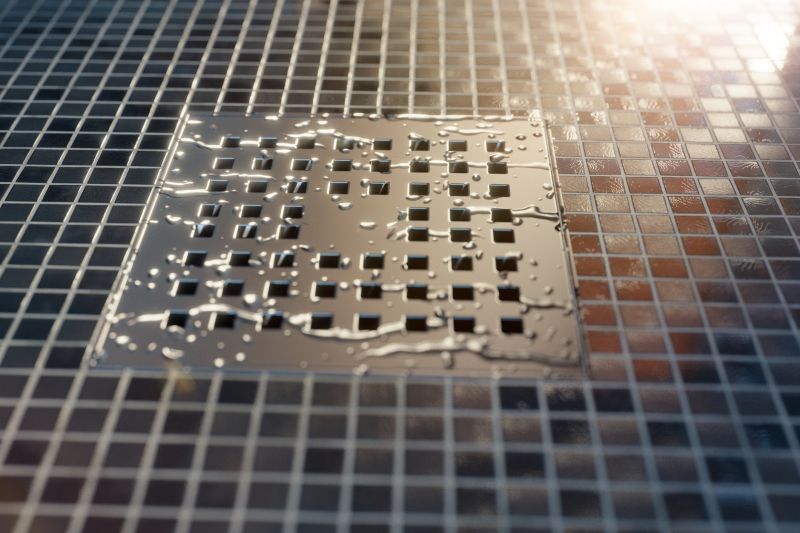
Weather conditions influence installation quality and timing.
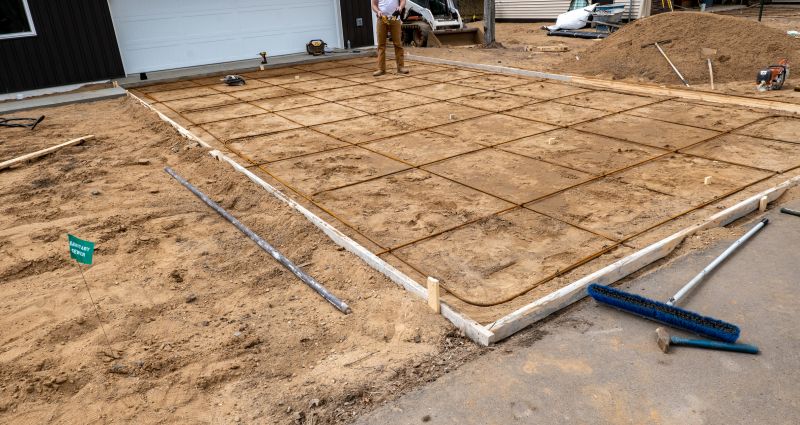
Preparing the site during suitable seasons ensures better results.
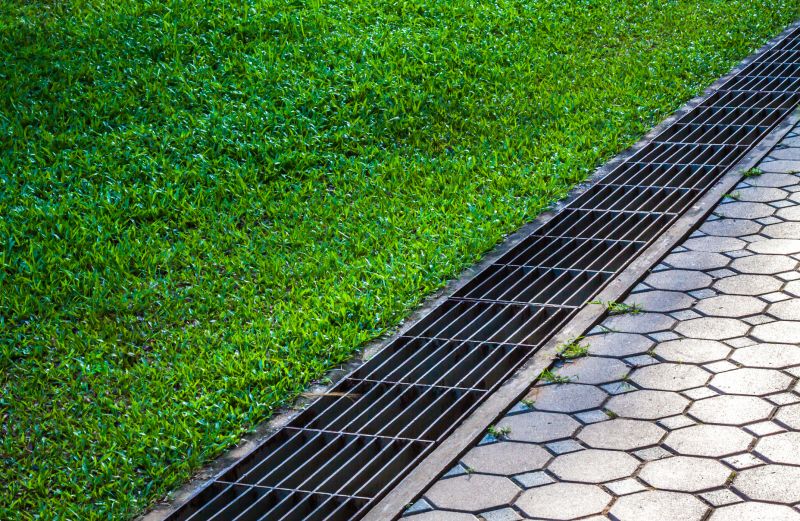
A well-installed system maintains deck integrity and safety.
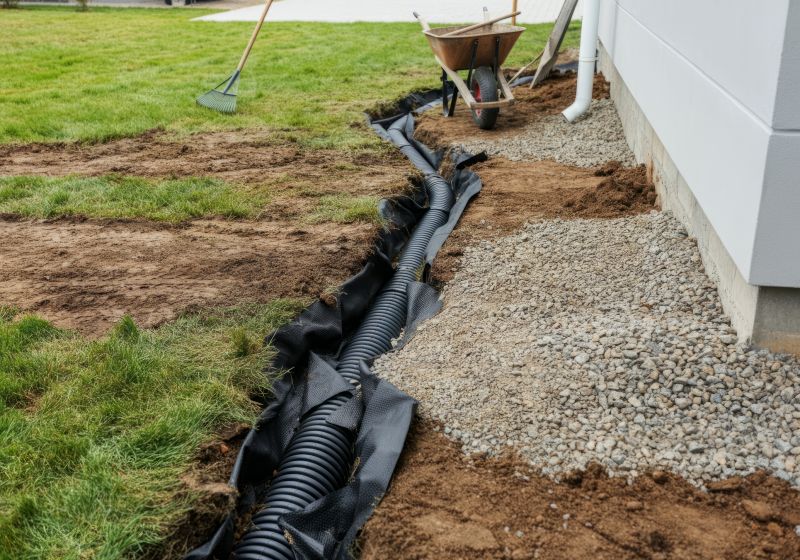
Lower-waste or water-saving choices for Deck Drainage Installations.
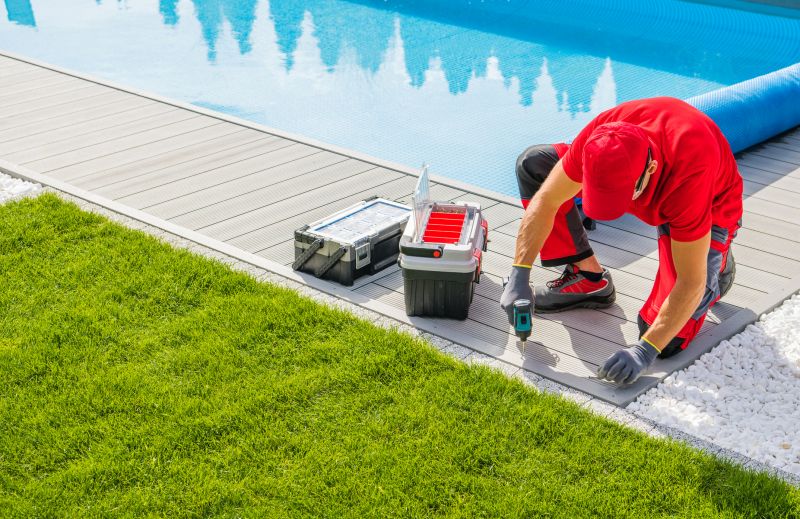
The short, realistic tool list for quality Deck Drainage Installations.
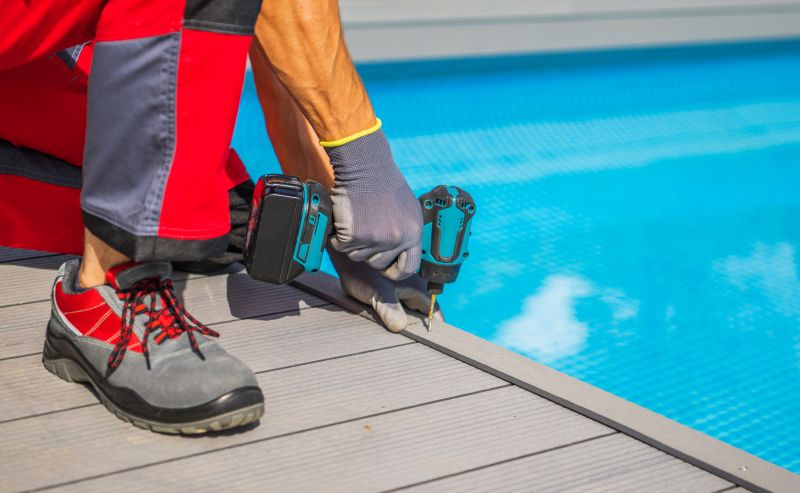
Rough timing from prep to clean-up for Deck Drainage Installations.
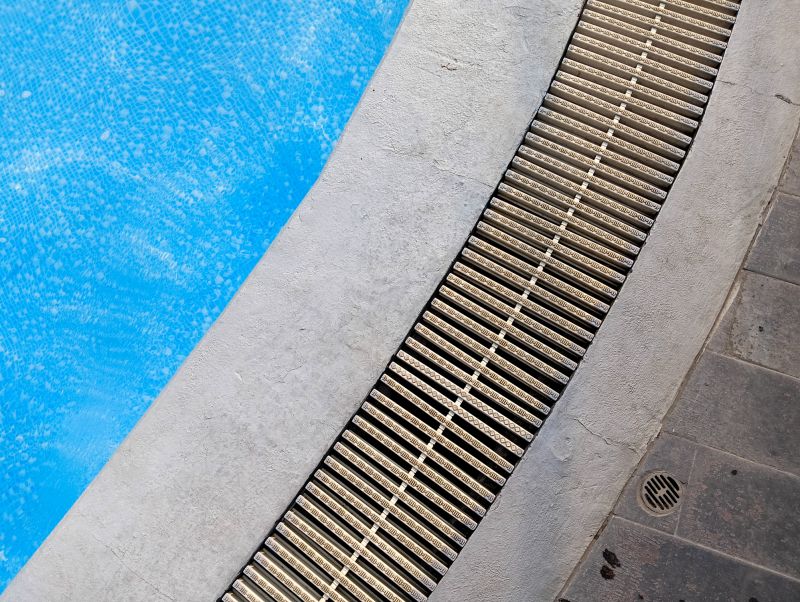
Quick checks and paperwork to keep after Deck Drainage Installations.
Interested in scheduling a deck drainage installation? Filling out the contact form can provide access to expert guidance and planning assistance to ensure optimal timing and system performance.